22 posts found
The first night effect is a documented neurological phenomenon where half your brain stays awake in unfamiliar environments. Most wearables treat this as a bad night and tank your score. They should be treating it as a different kind of night entirely.
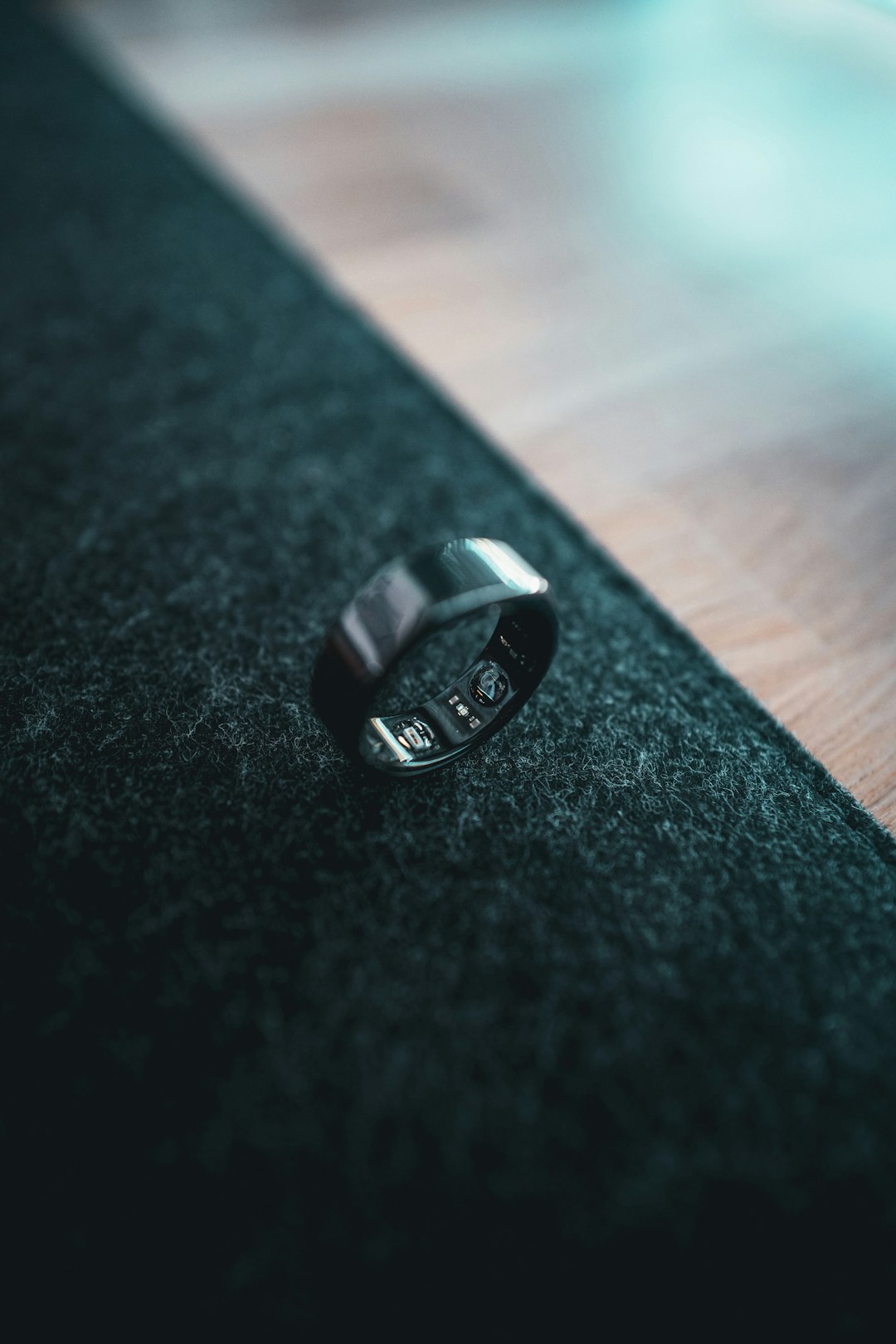
Most smart rings shine light into your finger and count the bounces. The ones that do it well sample at 100 Hz or higher, use green and infrared LEDs in a specific geometry, and process the signal before it ever reaches a server.
Skin temperature is a proxy for blood flow, circadian phase, and autonomic tone. Most smart rings average it into a single nightly number. We do not.
Consumer wearables run reflective PPG on body parts never designed for it. The FDA has scrutinized these monitors since 2022 for systematic bias. Smart rings compound the problem with clamp pressure and unvalidated algorithms.
Your fitness tracker records everything. That data lives on someone else's server, and in at least one murder trial, it was the evidence that convicted the killer. Here's how health data ends up in courtrooms, divorce filings, and subpoenas — and why Pulsyn's local-first architecture makes the difference.
Every major wearable gives you a stress score between 0 and 100. That number is not a measurement. It is a proprietary blend of heart rate variability and secret sauce with no clinical definition. Pulsyn shows you the raw HRV and the context instead.
HRV is not a score. It is a noisy physiological signal that consumer wearables clean, compress, and repackage as a recovery percentage with no medical validation. This post explains how the sausage is made, why the math does not support the marketing, and what Pulsyn does instead.
Oura filed for IPO. RingConn got pulled from Amazon. Ultrahuman and Luna are banned in the US. A Reddit user asked if the no-subscription smart ring dream is dead. It is not. But the remaining options are smaller, founder-led, and built on economics that venture capital hates.
Oura filed for its $11 billion IPO with 5 million subscribers and $2 billion in projected revenue. The catch: its core business model is a subscription paywall on health data that competitors already offer for free, sitting on top of a canceled Pentagon contract and an active class-action lawsuit.