Insights on health technology, privacy-first design, and the science behind smarter wearables.
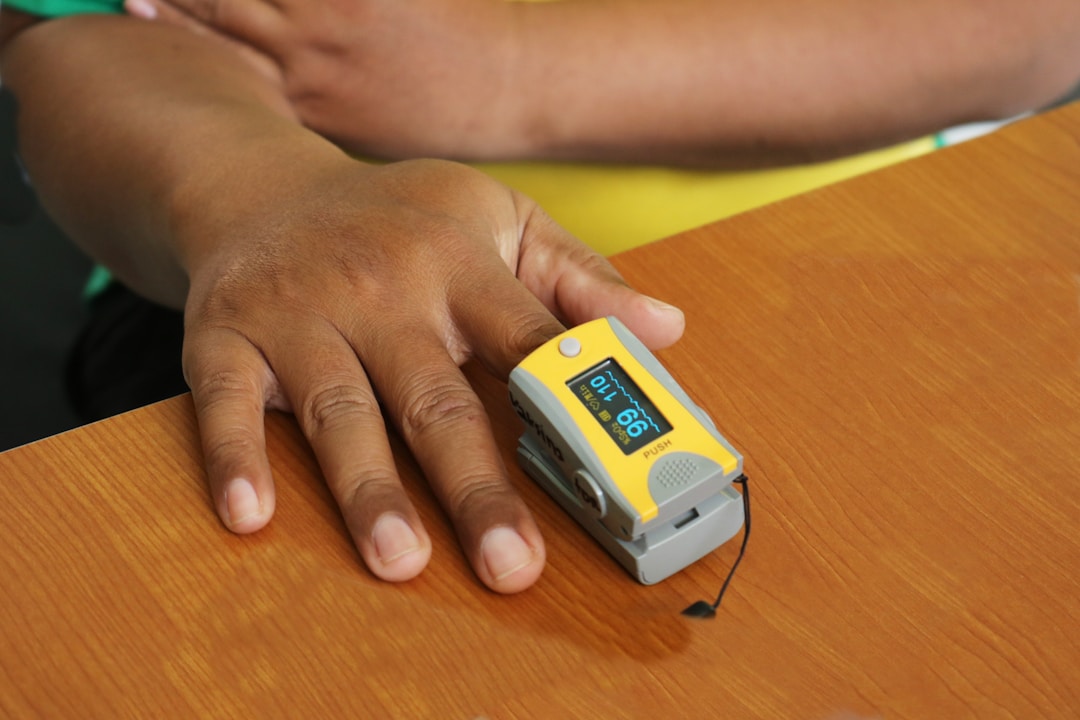
Most smart rings shine light into your finger and count the bounces. The ones that do it well sample at 100 Hz or higher, use green and infrared LEDs in a specific geometry, and process the signal before it ever reaches a server.
The 10,000 step goal was invented in 1965 by a Japanese pedometer company. It had no clinical basis then and has only weak evidence now. Most wearables count steps using flawed accelerometer guesswork, which means your 8,000 step day and your friend's 8,000 step day are not the same health outcome.
The FDA's 19-page general wellness policy lets smart ring companies skip clinical validation entirely. Every wearable you have heard of lives inside that loophole. The difference between wellness and medical is not a matter of degree. It is a matter of whether anyone tested the accuracy before it shipped.
Your smart ring is guessing for the first two weeks. Every sleep score and recovery metric is built on population averages until the algorithm learns what normal looks like for you. Most companies do not tell you this clearly. Pulsyn does.
A Stanford study tested seven fitness trackers against clinical instruments. Heart rate was accurate. Energy expenditure was off by 27 to 93 percent on every device. The calorie number on your screen is not a measurement. It is a guess.
The wrist is the worst place to measure heart rate during sleep. It is too thick for transmissive PPG, too prone to motion artifact, and too thermally unstable. The finger wins on every metric that matters for overnight biometrics.
Oura launched the Ring 5 at $499 with a mandatory subscription and a new AI coach fee. Over three years, the cheapest configuration totals $715. Here is the math, and why Pulsyn is building the alternative.
Skin temperature is a proxy for blood flow, circadian phase, and autonomic tone. Most smart rings average it into a single nightly number. We do not.
Consumer wearables run reflective PPG on body parts never designed for it. The FDA has scrutinized these monitors since 2022 for systematic bias. Smart rings compound the problem with clamp pressure and unvalidated algorithms.