Insights on health technology, privacy-first design, and the science behind smarter wearables.
Most hardware startups take VC money before they know if anyone wants their product. Pulsyn's $500K Kickstarter campaign is a demand test with no safety net.
In a post-Dobbs United States, fertility data from wearables has entered criminal prosecutions. Oura stores cycle data on AWS. Whoop stores it on their own servers. Pulsyn stores it on your phone, encrypted, with no cloud account.
Your fitness tracker records everything. That data lives on someone else's server, and in at least one murder trial, it was the evidence that convicted the killer. Here's how health data ends up in courtrooms, divorce filings, and subpoenas — and why Pulsyn's local-first architecture makes the difference.
Ultrahuman Ring Pro just cleared US customs after an Oura patent block and is selling at $479 with no subscription. That price validates Pulsyn's entire thesis: on-device health tracking should not cost more than a flagship smartphone.
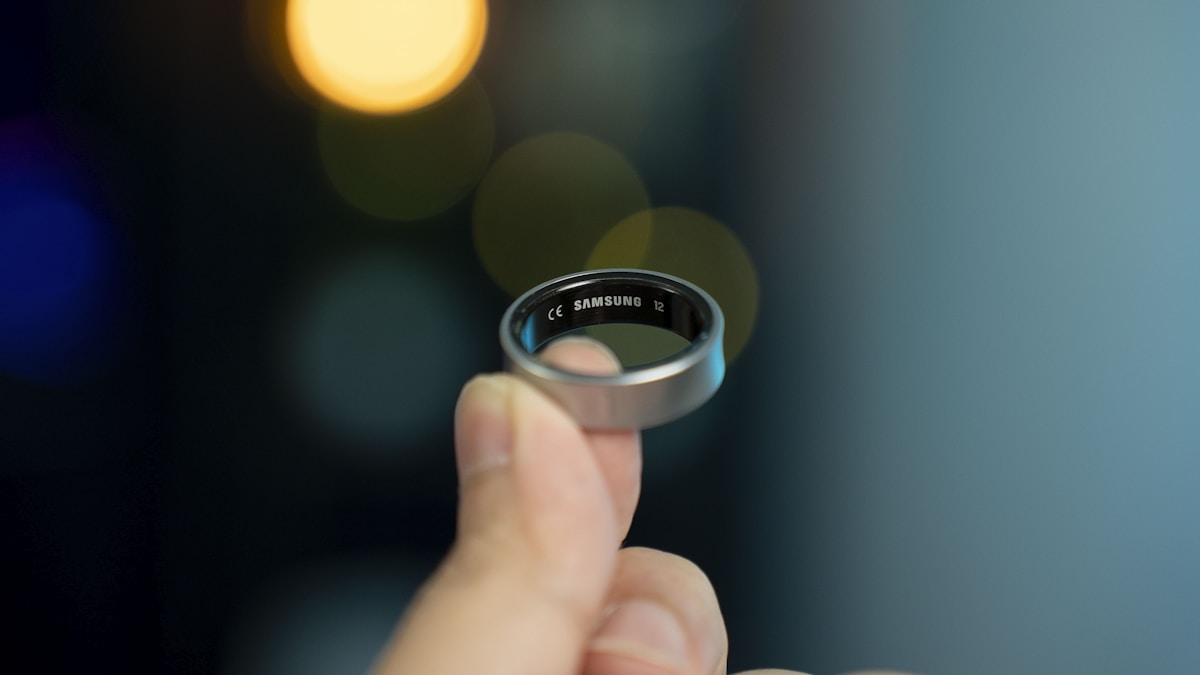
The smart ring market is splitting into three species: premium health platforms, single-purpose tools, and subscription-hungry AI wrappers. Pebble's Index 01 proves the divergence is real.
Every major wearable gives you a stress score between 0 and 100. That number is not a measurement. It is a proprietary blend of heart rate variability and secret sauce with no clinical definition. Pulsyn shows you the raw HRV and the context instead.
HRV is not a score. It is a noisy physiological signal that consumer wearables clean, compress, and repackage as a recovery percentage with no medical validation. This post explains how the sausage is made, why the math does not support the marketing, and what Pulsyn does instead.
On-device AI means your health data never leaves your phone. Here is the architecture, the constraints, and why it makes subscriptions unnecessary.
Oura filed for IPO. RingConn got pulled from Amazon. Ultrahuman and Luna are banned in the US. A Reddit user asked if the no-subscription smart ring dream is dead. It is not. But the remaining options are smaller, founder-led, and built on economics that venture capital hates.