Insights on health technology, privacy-first design, and the science behind smarter wearables.
Most wearable APIs are not built for you. They are built for partners who build features that keep you subscribed. Here is how the data lock-in actually works, and how Pulsyn does the opposite.
Most health trackers treat your phone as a dumb pipe to their cloud. When you turn on airplane mode, the app becomes a brick. Pulsyn's architecture assumes the opposite: your phone is the computer, the database lives locally, and the cloud is an optional extra.
A technical deep-dive into Pulsyn local-first encryption stack: SQLCipher, AES-256-GCM, 600,000 PBKDF2 iterations, and why we intentionally cannot recover your data if you lose your PIN.
Oura filed for its $11 billion IPO with 5 million subscribers and $2 billion in projected revenue. The catch: its core business model is a subscription paywall on health data that competitors already offer for free, sitting on top of a canceled Pentagon contract and an active class-action lawsuit.
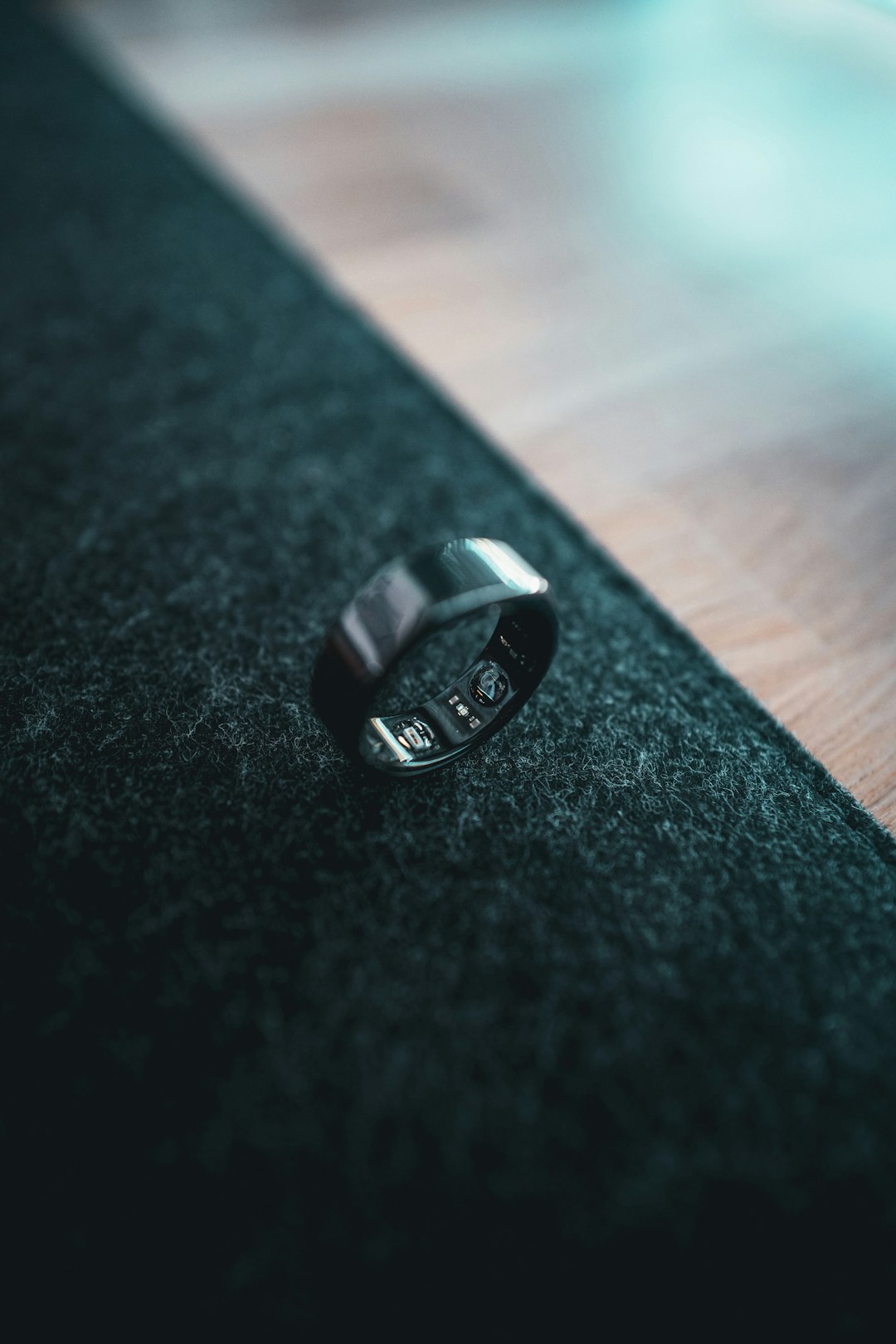
Smart rings sell for $300 to $500. The parts inside cost roughly $30. That 90% gross margin is not a secret, but nobody talks about it because the real product is not the ring. It is your biometric data stream.
Every smart ring app ships your biometric data to a server before showing you your own sleep score. The cloud isn't there for your convenience. It's there for their business model.
Most health wearables are sold at or near cost so manufacturers can charge you forever. Here is what Oura, Whoop, and Fitbit actually cost over three years, and why Pulsyn is building a ring that does not need a subscription.
What I found inside a state government digital identity application with 500K+ installations
The complete math behind your sleep score. Personalized baselines, five weighted components, and how it compares to polysomnography.